
March 16, 2026
March is here.
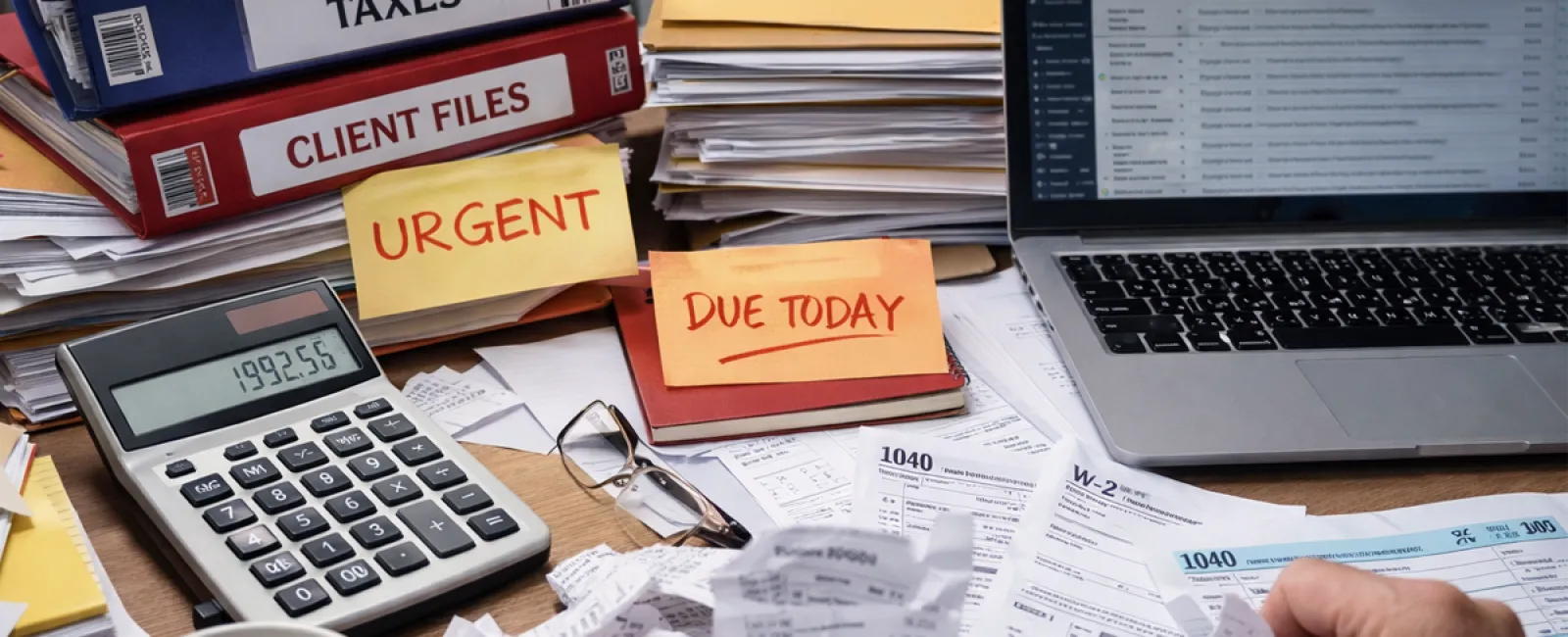
Your accounting team is overwhelmed, your bookkeeper is racing against time, deadlines are closing in, and your inbox is flooding with emails faster than anyone can manage.
Everyone is focused on just making it through this hectic month.
This scenario won't surprise you.
But it's no secret to cybercriminals either.
Security experts observe a notable surge in phishing scams during tax season, with March seeing approximately a 28% rise in tax-related fraudulent emails compared to calmer months. These scams are subtle, crafted to mimic routine business communications just when everyone's busiest.
This is no accident.
It's strategic timing.
Here's what you can expect—and four straightforward strategies to protect your business from becoming an easy victim.
Supply Chain Stress Amplifies Risks
What many overlook is this:
Cybercriminals don't just target accounting firms.
They exploit the surrounding chaos.
When tax season hits:
- Clients rush to submit sensitive documents
- Staff skip regular verification to keep pace
- Casual requests like "Send me the file" replace cautious procedures
- Confirmations are overlooked as everyone is overwhelmed
The entire system speeds up.
And speeding up increases the chance of errors.
Hackers don't pursue calm, methodical businesses.
They target busy, pressured ones.
March is that busy period.
Recognizing These Attacks
This isn't fiction.
The scam email will look like any other in your inbox.
- An email from "your accountant" requesting you resend W-2s due to missing files
- A vendor's note about updated bank details requiring immediate update
- A DocuSign alert asking for prompt signing of tax documents
- An urgent message from "your CEO" traveling and needing immediate assistance
These messages feel routine.
They blend seamlessly into typical March business.
That's what makes them effective.
Why Busy Professionals Fall Prey
This isn't carelessness.
It's simply human nature.
When inboxes overflow and deadlines press, people skim emails, make quick assumptions, and react without fully analyzing content.
Scammers exploit this behavior.
Their tactics rely on recipients being rushed rather than reckless.
All they need is for you to be busy.
March? That's exactly the moment.
Four Simple Habits to Avoid Being Targeted
Fortunately, minimizing your risk doesn't require advanced tools or a dedicated security team.
Adopting a few mindful habits in high-pressure months makes all the difference.
1. Call to Confirm Payment Changes
When you receive an email about vendor bank detail changes, avoid replying directly.
Instead, call a verified number to confirm the update.
This one step wards off some of the costliest scams.
2. Take Your Time with Sensitive Requests
Urgency should trigger caution, not haste.
If someone urgently requests tax documents or financial info, pause to verify.
Genuine senders will accept a brief delay; scammers won't.
3. Validate Urgent Messages via Another Channel
Confirm "urgent" requests with a phone call, text, or internal message.
This quick check can prevent costly errors.
True urgency withstands a two-minute verification; fraud does not.
4. Alert Your Team About Scam Risks
Remind your staff during this tax season that scams spike in busy months.
Encourage them to slow down, double-check details, and raise concerns when something seems off.
This small step can save major cleanup later.
Key Takeaway
Tax season is challenging enough without becoming a scam statistic.
The scams appearing now aren't particularly sophisticated—they rely on perfect timing.
They exploit rushed actions,
make space for assumptions,
and count on everyone powering through March.
You don't need to revamp your security systems overnight.
Slowing your pace and verifying suspicious requests is often enough.
That simple vigilance goes a long way.
Busy-Season Safety Check
Perhaps your operations already follow strong security habits—and if so, excellent.
But if tax season tends to push your team into reactive mode or you're unsure how they manage urgent requests under stress, taking a quick sanity check with a free 15-Minute Call could be invaluable.
No sales pressure. No scare tactics. Just a straightforward assessment on whether simple habits could save you headaches this season.
If this doesn't fit your business, please share it with someone who might benefit.
Click here or give us a call at 507-718-4288 to schedule your free 15-Minute Call.